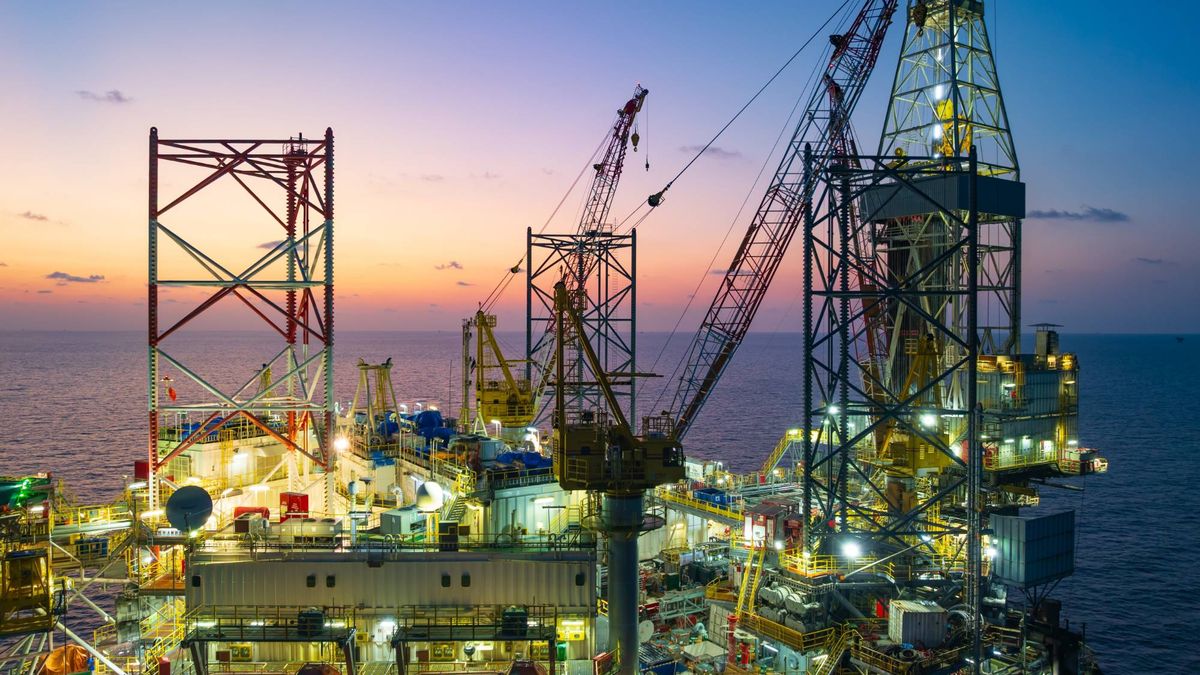
SIMOPS risk is not limited to the same piece of equipment, since hot work next to a venting line or a lift over an area where people are working can be just as dangerous. Other common examples include grit blasting near an air intake, radiography that needs an exclusion zone across a walkway other crews use and a confined space entry next to an area where a line is about to be opened and drained.
The problem is that permits are usually organized by job rather than by location, so nobody sees the full picture of what is happening in one area. Each permit is reviewed on its own merits by the people involved in that job, and the coordinator who might catch the combination is often working from a list or a board that shows permit numbers and descriptions rather than where the work physically sits relative to everything else.
When permits are tied to locations on a site model, the system can show all active work in an area and flag combinations that the site has defined as conflicts. Those definitions matter, so the site needs to agree which types of work cannot happen within a certain distance of each other or in the same area, such as hot work near a release source, and which combinations are allowed with extra controls like a gas monitor or a dedicated watch.
Conflict detection in Interface works on this basis, and it gives the permit coordinator a map of the work instead of a stack of separate permits. A shared picture of where crews will be also makes the daily planning meeting more useful, since supervisors can talk through sequencing together and resolve conflicts by rearranging the work before anyone is in the field.
Locations need to be recorded consistently for any of this to work, which usually means permits referencing defined areas, modules or equipment rather than free text descriptions that only make sense to the person who wrote them. Conditions also change through a shift, so the picture needs to reflect permits as they are suspended, closed or extended, and a new permit raised midway through the day should be checked against work that was already approved that morning.