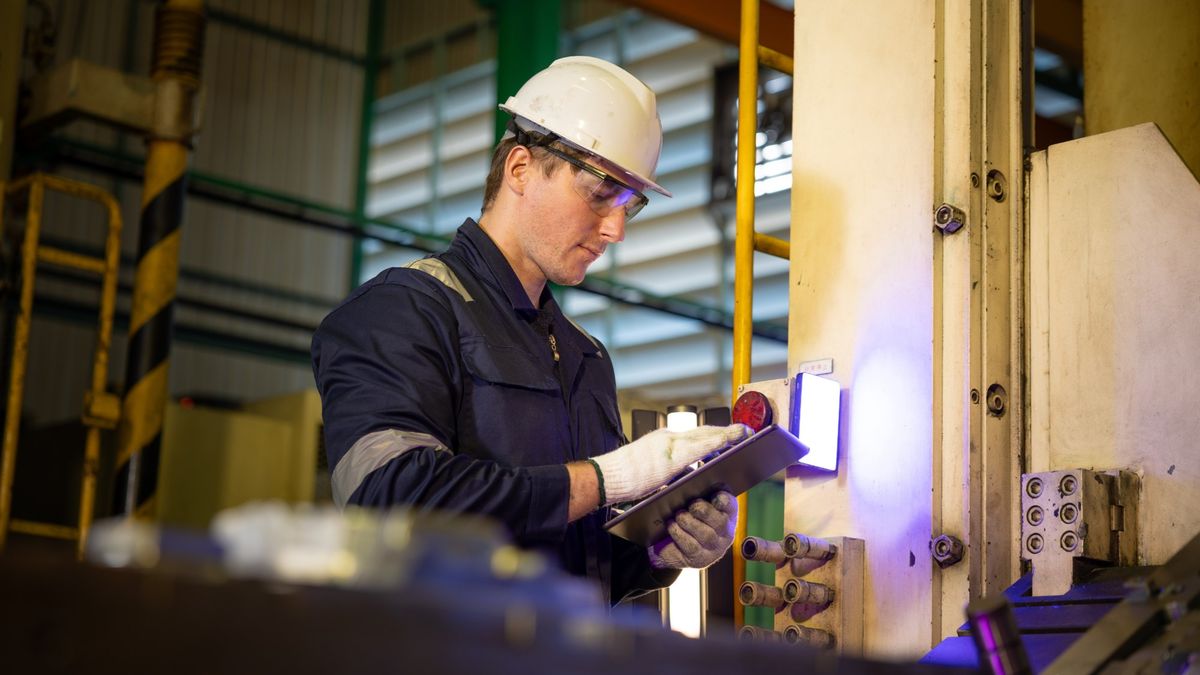
A photo taken during the inspection is strong evidence that the inspector was at the right equipment and saw what they recorded, especially when the photo is tied to the specific inspection step. It is much harder to dispute than a checkbox, since a ticked box only tells you someone pressed it while a photo of the tag, the gauge or the weld shows what was actually in front of them at that moment.
Photos matter most when something goes wrong later and people need to understand what was seen and when, whether that is an incident investigation, an audit or a dispute with a supplier about the condition of delivered equipment. A record full of checkboxes leaves everyone relying on memory, while a record with photos attached to each relevant step lets reviewers see the condition directly without having to take anyone’s word for it.
AI can also read tags and gauge values from photos and compare them with what was entered, flagging any mismatch for review. If an inspector records a pressure of 6.2 bar while the gauge in the photo reads 2.6, or the tag in the photo belongs to the pump next door, the discrepancy is caught straight away rather than months later, and the reviewer can see the photo and the entered value side by side to decide which is right.
For equipment condition, photos taken at each inspection build a visual history that makes it easier to spot gradual changes like corrosion or wear that would be hard to judge from a single visit. Comparing this month’s photo of a pipe support or a coating with the same view from a year ago shows deterioration that an inspector seeing the item for the first time might reasonably accept as normal.
Getting useful photos depends on asking for them at the right steps and making clear what the photo should show, since a blurry picture taken from across the room adds little value. Requiring photos only where they carry real evidence, such as tags, readings and condition checks on critical equipment, keeps inspections quick and avoids training people to take photos without looking at what they capture.