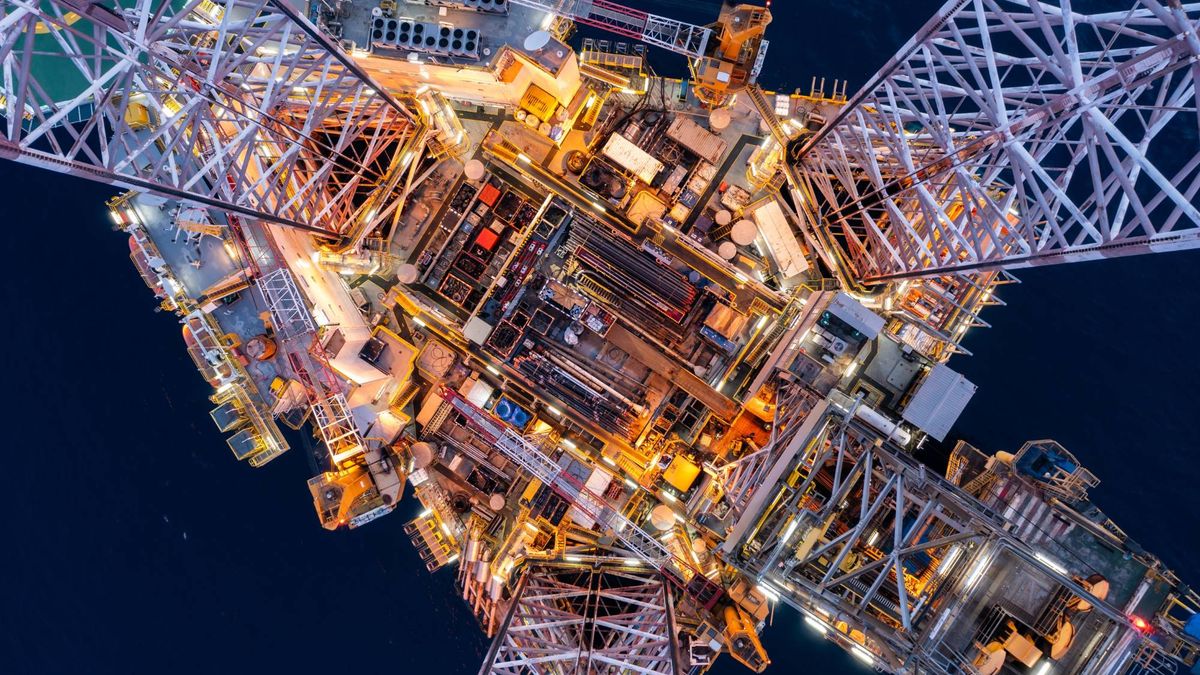
Maintenance access problems are cheap to fix in early design and very expensive to fix after fabrication, but they are often missed because the people who will maintain the equipment do not see the design until late. On a typical project the concept and front end design are reviewed by engineers and the client’s project team, while maintenance supervisors and technicians may only see the layout at a model review during detailed engineering or, worse, when they walk the vessel or rig for the first time.
The problems they find tend to be the same ones, such as a pump that cannot be pulled without removing a section of pipe, a motor with no lifting point or laydown area, a filter that needs scaffolding every time it is changed or a valve that can only be reached by climbing over other equipment. Each of these turns into extra hours on every maintenance job for the life of the asset, and some of them create safety risks that quietly become part of normal work.
A 3D view of the concept, even without full engineering detail, lets maintenance and operations teams check whether there is space to pull a pump, lift a motor or reach a valve. At concept stage the view only needs equipment envelopes, major piping and structural elements in roughly the right place, along with the space each piece of equipment needs for removal and access. Maintenance people are good at spotting problems once they can see the arrangement, since they know from experience which equipment needs frequent attention and how it is usually handled.
The key is getting that view in front of the right people early and making it easy for them to mark problems on the model itself. A review session where an experienced technician walks through the model and drops a comment on the spot where a lifting beam is needed produces feedback the design team can act on directly, which a spreadsheet of comments written after a drawing review rarely does. The comments then need to be tracked to closure, with the design team recording how each one was resolved or why it was not.
Catching a clearance issue at concept stage costs a design change, while catching it in the yard can cost a lot more. Once steel is cut and equipment is set, fixing access may mean relocating equipment, rerouting piping or accepting a permanent workaround, and each of those carries schedule and cost impact as well as an ongoing burden on the crew. It helps to build specific maintenance tasks into the review, such as pulling a particular pump or replacing a heat exchanger bundle, so reviewers check the hardest jobs rather than just looking around.