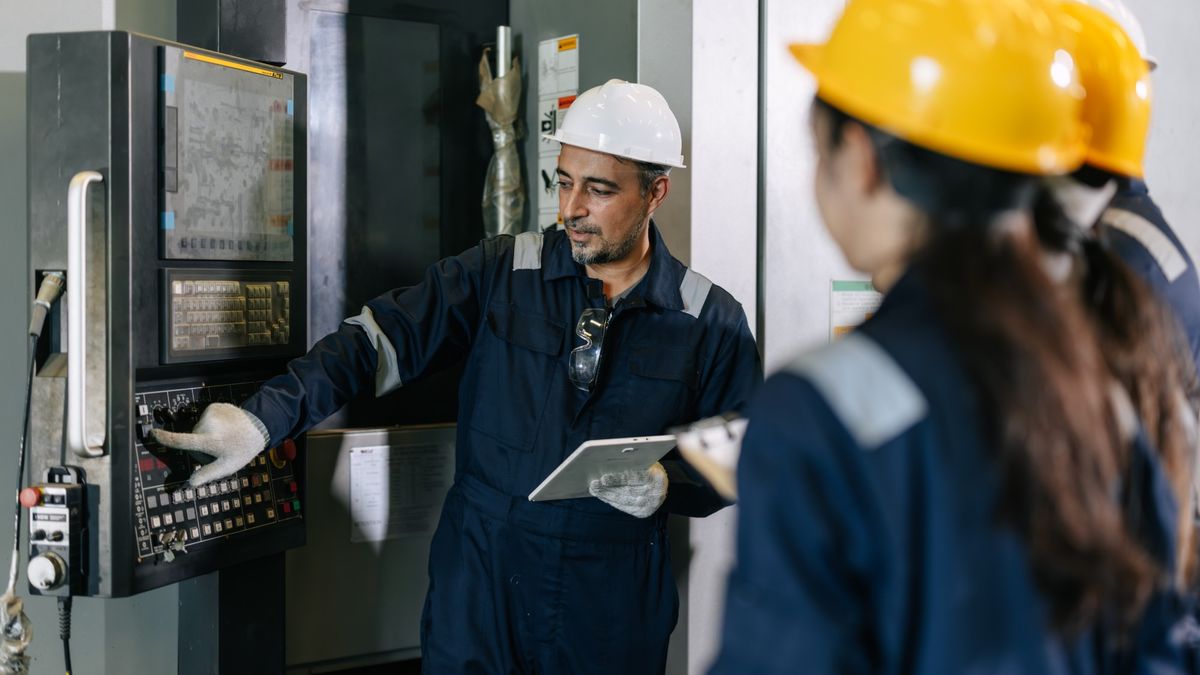
On some vessels and facilities, phones and tablets are not allowed in certain areas because of hazardous area classification or company rules, which puts a gap right in the middle of any plan to run work digitally. In those cases the application needs to work through devices that are approved for the area, such as intrinsically safe tablets, or through a workflow that keeps the device outside the restricted area while still capturing what happened inside it.
The restriction exists for good reason, since an ordinary consumer device can be an ignition source in a zone where flammable gas may be present, and some operators also restrict devices on deck because of distraction, dropped objects or rules about photography. Intrinsically safe devices solve the ignition problem but they cost considerably more, there are usually only a few on board and they are often older or slower than the phones crews use elsewhere, so the application has to run acceptably on modest hardware and cope with a shared device being handed between people.
One common approach is to prepare and review the work on a device in a safe area, take a compact paper version or an approved device onto the deck and capture results back into the digital record afterward. The preparation step does a lot of the heavy lifting, since the crew can go through the job, check permits and isolations and review warnings in the control room or accommodation before going out, and the paper version they carry can be generated from the same digital procedure so it always matches the current revision.
Capturing results back afterward needs some care, because readings and sign offs written on paper and typed in later are easy to transcribe wrongly or to backfill from memory. It helps to lay out the printed version to match the screens field by field, to record who entered the results and when, and to attach a photo or scan of the paper sheet to the digital record so the original evidence is never lost. Connectivity also matters, since restricted areas often have poor signal anyway and the application should work offline and sync when it can.
Planning for this from the start avoids a rollout that works everywhere except where the riskiest work happens, which is a common outcome when device rules are discovered only after the pilot has begun. A short walk around the site with the safety team early on, mapping which areas allow which devices, usually gives enough information to design the workflow properly before anyone is asked to change how they work.