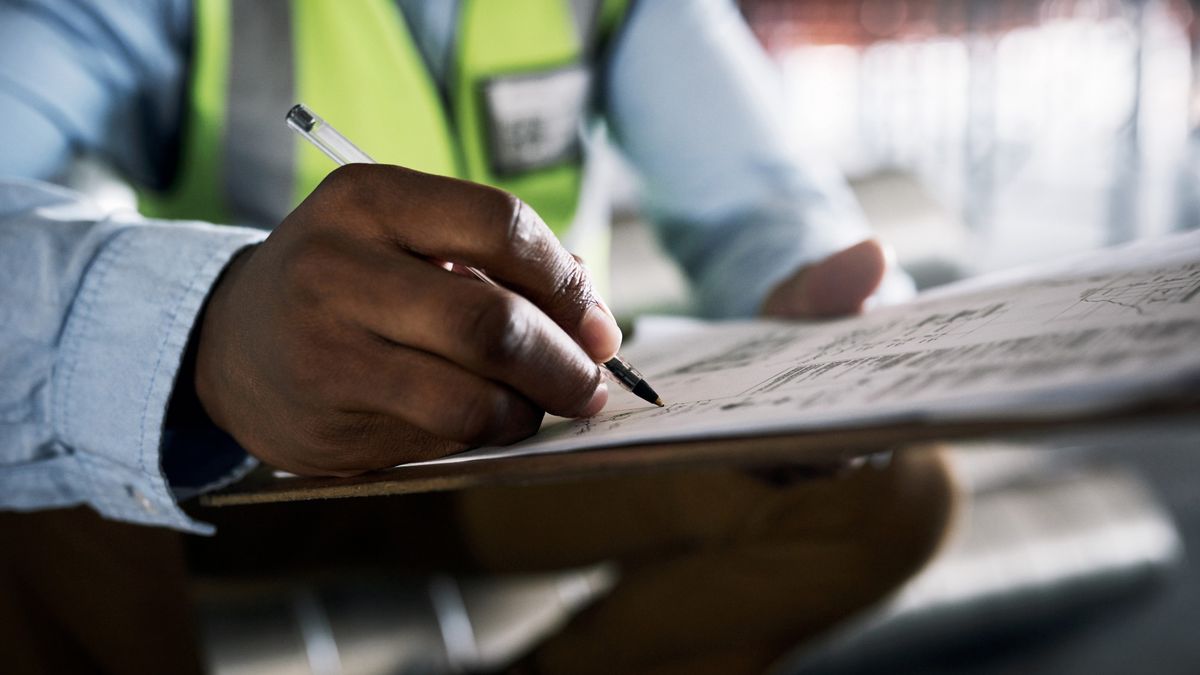
Most sites have hundreds of procedures sitting as PDFs or Word files, and many of them were written years apart by different authors using different templates, so no two look quite the same. The usual digitization project starts with someone opening each file and retyping it into a new template line by line, which on a library of a few hundred procedures can take months. It is also where new errors get introduced, since a setpoint copied wrong or a warning left behind during retyping looks just as official as the original once it sits in the new system.
A better approach is to start from the document as it already exists and let software read its structure instead of asking people to rebuild it. A procedure has a predictable shape even when the formatting varies, with numbered steps, sub steps, notes, cautions and warnings, tables of values, sign off points and references to other documents. Software that understands that shape can pull each of those pieces out and turn the procedure into a set of individual steps instead of one long file, keeping each warning attached to the step it belongs to rather than leaving it floating in a paragraph above.
Reviewers still need the original document throughout this process, so each converted step should sit next to the source page it came from and checking the result means comparing two things side by side rather than proofreading from memory. Anything the software is unsure about, such as a table that spans pages or a step that mixes two actions, should be flagged for a person to look at rather than guessed, since a confident wrong answer is worse than an honest question.
It also helps to start with a small batch of procedures that represent the range of formats on site, including the oldest scanned documents and the newest controlled templates, so the team can see how the conversion handles each kind before committing the whole library. Once reviewers trust the pattern, the remaining procedures move through the same review in a steady flow rather than as one large project that stalls halfway.
Interface handles this by letting you bring in the procedure as it is, with the AI breaking it into steps that can be edited, assigned and run on a phone or tablet while your team reviews the result instead of rebuilding it. The work shifts from retyping to review, which is faster and a far better use of the people who know the procedures best.