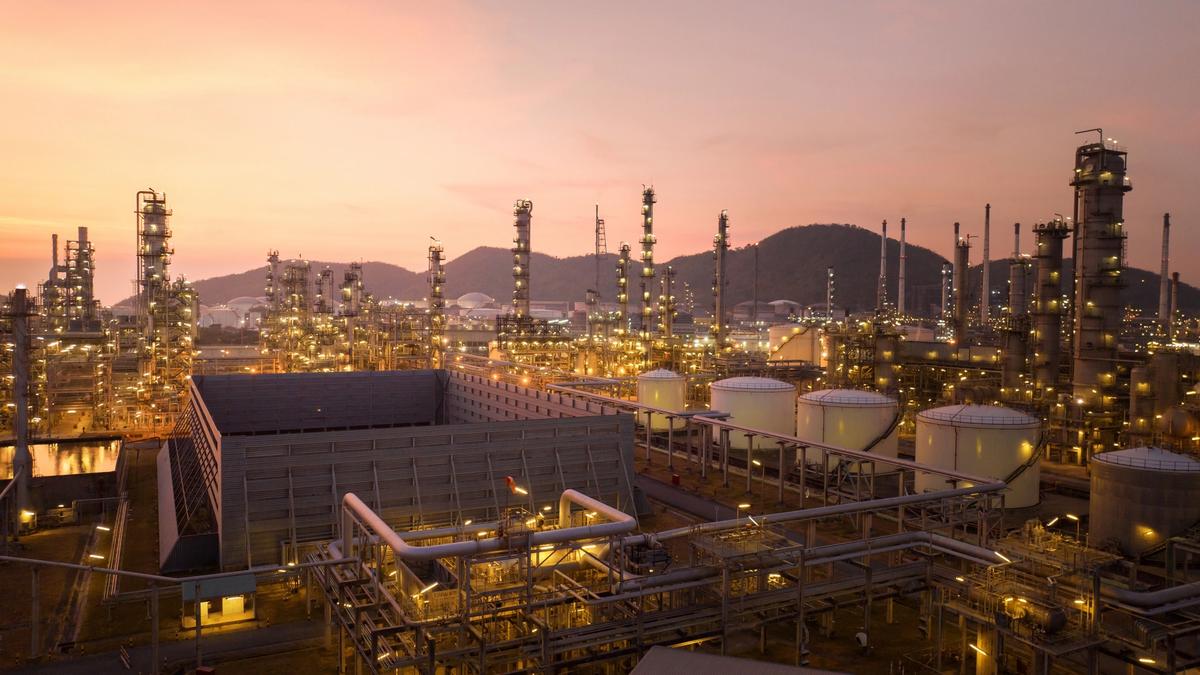
A turnaround is about the most time sensitive thing a site does, which is why the schedule gets built months in advance, why every hour of it is spoken for, and why for 30 to 75 days there are a few thousand extra people on site. Even so, most turnarounds run over on cost or schedule, and when they do it's rarely because of one big failure. It's usually a collection of smaller delays spread across different parts of the operation, none of them dramatic enough to get attention on their own, and most of them will sound familiar.
The Delays That Never Get Logged
The permit desk is the obvious one, because permit volume during a turnaround runs somewhere around ten times normal while it all still moves through the same desk and the same approvers as on a regular day. Crews that were supposed to start at 7:00 are still waiting on a signature at 7:40, and that repeats every morning for the length of the event.
Documentation causes the same kind of delay, usually when an inspector gets to a vessel and needs the last inspection report, or a drawing, or the isolation list, and it isn't with him. So he radios around, or walks back to the trailer to find it and print it, and half an hour is gone before the job even starts.
Procedures have their own version of this problem, because what's in the field doesn't always match what's on the paper, so operators end up scratching through steps with a pen and working around it. The marked up copy rarely makes it back into the system, which means the next crew prints the same outdated procedure and goes through the same exercise.
There's also the maintenance that was supposed to happen and didn't, which usually surfaces when a piece of equipment missed a scheduled inspection at some point in the year, nobody caught it, and it turns up in the middle of the turnaround as work that was never planned or staffed for. The same thing happens when a vessel comes apart and there's corrosion or a cracked nozzle that nobody could have seen from the outside, except now the replanning has to happen with a crew standing there waiting on it.
Too Much Happening at Once
Coordination gets harder too, because far more equipment is locked out at the same time than usual and far more jobs are running at once, often close enough together that crews are basically working on top of each other. Hot work ends up near an open vessel, or a lift passes over a line somebody else is working on, and each of those jobs was planned by a person who was looking at that job and not at the two beside it.
And running through all of it is the knowledge problem, since most of the people on site during a turnaround are contractors or newer employees who don't know the equipment. They can't fall back on knowing that the valve on the north side is the one that leaks, because they've never been here before, so they know exactly what the documents in their hands tell them and nothing else.
Getting someone to the point where they can operate or maintain a specific asset means walking them through its history, its procedures, its isolation points, and whatever quirks it has, and that information is usually spread across binders, shared drives, and a handful of senior people. During a turnaround you're doing that for thousands of workers at once.
What It Adds Up To
Because almost all of this lives on paper and whiteboards, managers and corporate can't really see it happening. Permits go stale, procedures never get closed out, inspections get missed, and nobody knows until it has turned into a delay.
The cost adds up faster than people expect, because if you have 2,000 to 3,000 contractors on site and each one loses 30 minutes to an hour a day to some mix of the above, that's at least 1,000 hours a day and often two or three times that. Over a 45 day event it comes to tens of thousands of paid hours that didn't go into the work. The bigger number, though, is the schedule itself. For a producer running around 600,000 barrels a day, there are tens of millions of dollars in daily production value tied to the unit coming back when it's supposed to, so even a few days of overrun gets expensive quickly.
What We Have Seen Work
On sites where Interface is deployed, the planning, permits, approvals, lockouts, inspections, and procedures all sit in one system instead of on paper, and the main effect is that the delays above stop being invisible. A stale permit shows up as stale. A procedure that never got closed out sits there unfinished where anyone can see it. Equipment coming due for inspection gets flagged before the date passes instead of after. None of this is complicated. It's mostly that once the work is tracked in one place, the AI layer has something to work with, and problems get caught while they're still ten minute problems instead of two day ones.
The morning start time is usually the first change people notice, because when approvals happen in the system the approver signs off from wherever they are, and crews are on the tools at 7:00 instead of 7:45. Permit changes stop turning into fifteen email threads, because deviations and updates go onto the permit itself and everyone opens the same current version. And since past, current, and upcoming work is visible in one place, the morning meeting tends to be about the plan rather than about reconstructing what happened yesterday.
On larger events there's also a 3D model of the site showing every active job, lockout, and crew. With a few thousand people working in close quarters, it gets used as much for safety as for scheduling, because two jobs that look fine as separate lines on a schedule look different when you can see they're twenty feet apart, and planners catch that before the crews do.
The offline piece has mattered more than we expected, because work changes at the equipment and if updating a document means walking back inside to a computer and a printer, it doesn't happen. The steps get scratched out with a pen and the system stays wrong. When an operator can update the procedure on a phone or tablet standing at the equipment, signal or not, the record stays current and the next person opens the right version.
None of this takes the decisions away from the people running the event, since what it handles is the volume of information nobody can hold in their head across a few thousand simultaneous jobs, which leaves the turnaround team to spend its time on the calls that actually need judgment.
If any of this is of interest, we can help build out a 3D model of your site and walk through how permits, isolations and procedures run on it. Request a demo here!
— The Interface team