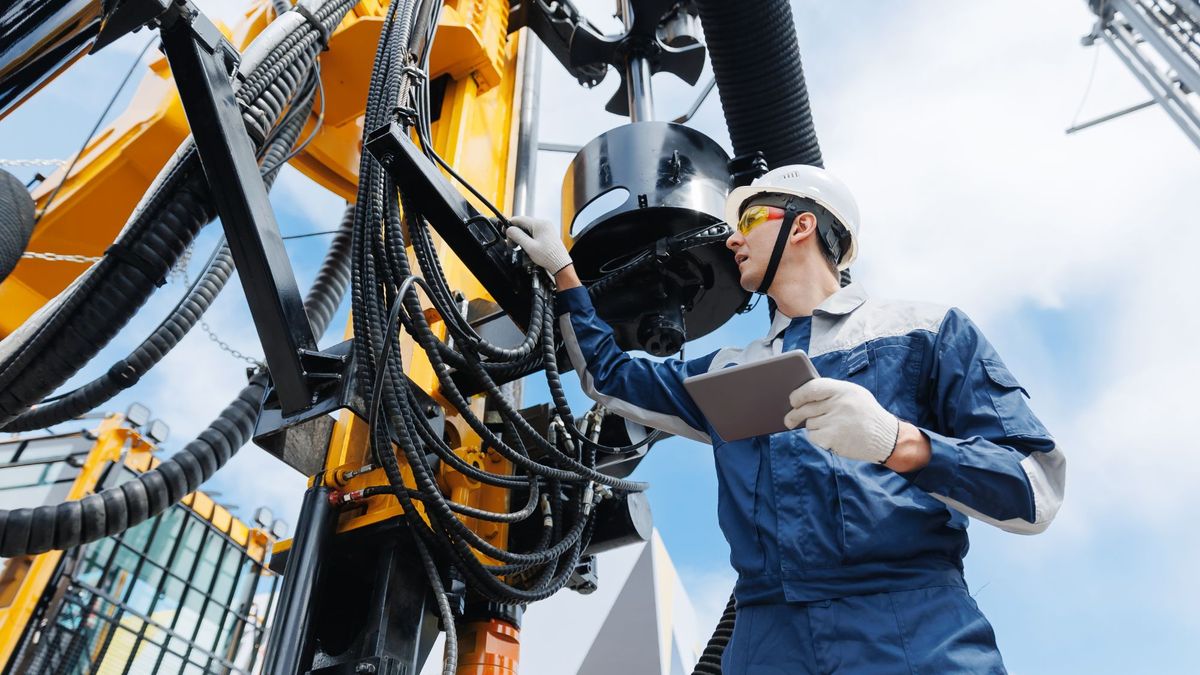
A field app should keep working exactly the same way it does with a connection, since a lot of industrial work happens in places where signal is weak or gone completely, like remote pads, offshore decks and the inside of large plants. An app that needs a connection to open a procedure or save a step will simply not be used in those places.
Patchy coverage is often worse than none, since an app that seems to be working can lose its connection halfway through saving a step and leave the operator unsure whether the record was kept. After a few experiences like that, crews stop trusting the app and go back to paper, and the site ends up with a digital system that is only really used in the control room and the office.
Offline should mean the procedures, forms and recent data are already on the device, every step and capture is saved locally while the job happens and everything syncs once a connection comes back. Operators should not have to remember to download a procedure before heading out, so the procedures and forms they are likely to need should already be on the device before the job starts.
Sync raises its own questions that are worth checking during evaluation, such as what happens when two people edit the same record while offline, how long a device can stay disconnected before something needs to be refreshed and how the operator knows that their work has been uploaded. Testing should happen in the real dead spots on site rather than on office wifi, with a device switched to airplane mode for a full job and then reconnected to see what arrives.
The Interface mobile app is built to run offline for this reason, because the field is exactly where the connection is least reliable. A procedure that works the same whether or not there is signal is one that crews can rely on, which is what makes the rest of the digital record possible.