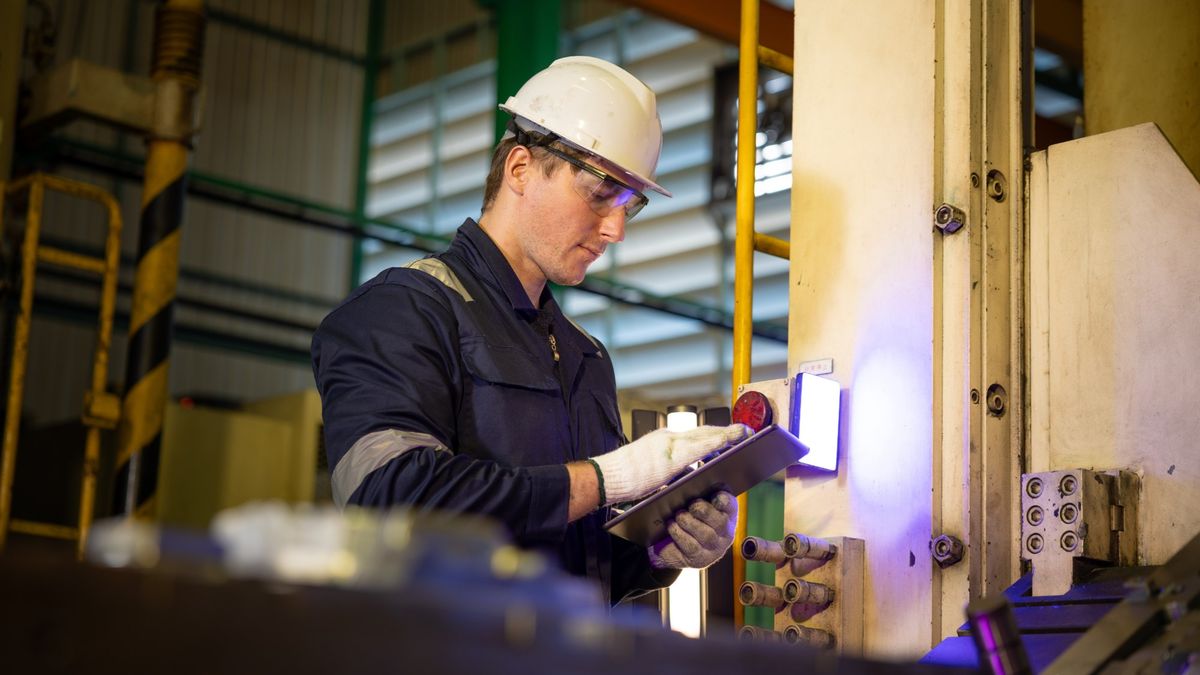
The useful measures are the ones that change before a failure, like vibration, temperature, pressure, run hours and the results of routine inspections. Each of these reflects the condition of the equipment rather than simply whether it is running, so a gradual rise in bearing temperature or a creeping increase in vibration can show a developing problem weeks or months before the equipment actually stops.
Tracking these over time lets you see when equipment is trending toward a problem rather than waiting for it to fail. A single reading on its own often says very little, since a vibration level might be normal for one pump and worrying for another, so the value comes from building a baseline for each piece of equipment and watching how it changes, which also helps the team set sensible thresholds for when to intervene.
It also helps to track the basic maintenance measures, like how much maintenance is planned versus reactive and how often the same equipment fails. Those show whether the shift toward predictive maintenance is actually happening, since a team can install sensors and still spend most of its time responding to breakdowns if the information is not being used to plan work ahead of failures.
Most teams find that consistent inspection data is the foundation they need before more advanced monitoring pays off. Operator rounds and routine inspections already capture readings, observations and condition notes on a large share of the equipment, and when that information is recorded in a consistent structured way rather than in free text or on paper, it becomes a usable history that shows trends and gives any later monitoring something to compare against.
A practical way to start is to pick a small group of critical equipment where failures are costly, agree on the few measures that matter most for each and make sure they are recorded reliably before adding more. Bringing maintenance planners into the review of those trends is important, since predictive maintenance only delivers value when the warning leads to a planned job at a convenient time rather than an interesting chart.